
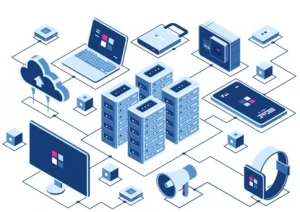
IT Infrastructure Management for Growing Businesses
IT infrastructure is the backbone of every modern business. As organizations grow, the complexity of managing systems, networks, and digital resources increases significantly. A well-structured infrastructure strategy ensures stability, performance, and scalability, allowing businesses to operate efficiently while preparing for future expansion. This guide explores how effective IT infrastructure management supports sustainable business growth and operational excellence.
Understanding IT Infrastructure in Modern Organizations
IT infrastructure includes all hardware, software, networks, and systems required to operate a business. This ranges from servers and data storage to cloud platforms, communication tools, and security systems.
A well-designed infrastructure ensures that all business operations run smoothly, with minimal disruptions. It also creates a foundation for adopting new technologies and scaling operations efficiently.

Challenges in Managing Growing IT Systems
As businesses expand, their IT systems become more complex. Managing multiple platforms, users, and applications can lead to inefficiencies if not handled properly.
Common challenges include system downtime, integration issues, performance bottlenecks, and security risks. Without proper management, these issues can disrupt operations and affect business productivity.

Importance of Scalable Infrastructure
Scalable infrastructure allows businesses to grow without constantly redesigning their systems. It ensures that resources can be adjusted based on demand, supporting both current operations and future expansion.
This flexibility is essential for businesses experiencing rapid growth or seasonal demand variations, as it prevents system overload and ensures consistent performance.

Key Elements of Strong IT Infrastructure
Reliable Hardware
High-quality servers and devices ensure consistent performance and reduce system failures.
Network Stability
A secure and efficient network is essential for communication, data transfer, and operations.
Security Systems
Integrated security measures protect infrastructure from internal and external threats.
Future-Proofing IT Infrastructure
Businesses must adopt forward-looking strategies to ensure their infrastructure remains relevant as technology evolves. This includes integrating cloud solutions, automation, and monitoring tools.
Future-proofing also involves regular upgrades, performance optimization, and aligning infrastructure with long-term business objectives to maintain competitiveness.

Leave a Reply