

Cloud Computing for Business Growth
Cloud computing has transformed how businesses operate, scale, and compete in modern markets. It enables organizations to move beyond traditional infrastructure limitations and adopt flexible, cost-effective, and high-performance systems. For businesses aiming to grow efficiently, cloud technology provides the foundation for innovation, scalability, and long-term sustainability. This comprehensive guide explores how cloud computing supports business growth through strategic implementation, operational efficiency, and digital transformation.
Understanding Cloud Computing in a Business Context
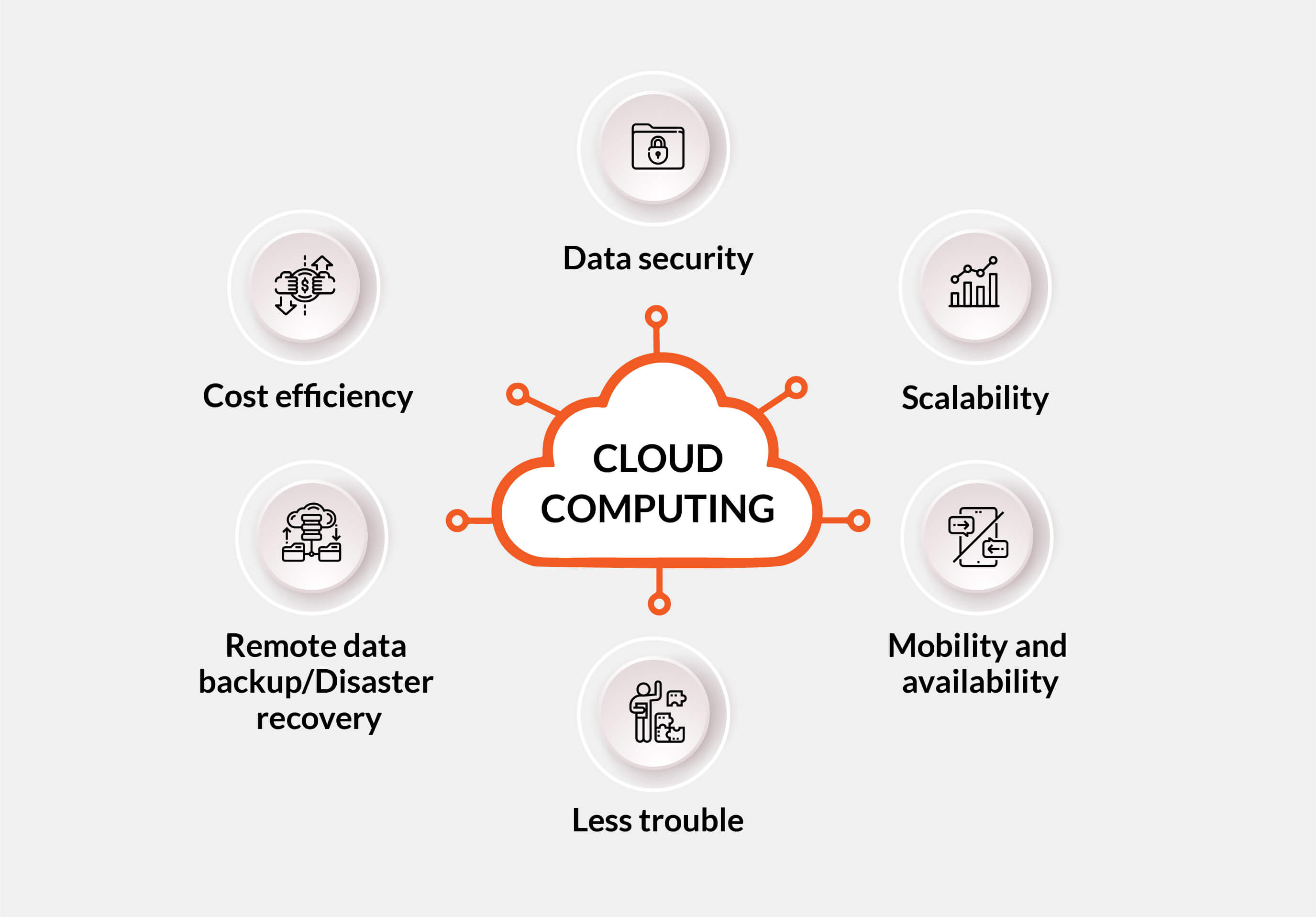
Cloud computing refers to the delivery of computing services such as storage, servers, databases, networking, and software over the internet. Instead of maintaining physical infrastructure, businesses can access these resources on demand, reducing capital expenditure and improving flexibility.
This model allows organizations to scale resources based on demand, ensuring they only pay for what they use. It also simplifies IT management, as updates, maintenance, and security are handled by cloud providers.

The Role of Cloud in Business Scalability
One of the most significant advantages of cloud computing is its ability to support rapid scalability. Businesses can expand their operations without investing in additional hardware or infrastructure.
This flexibility is particularly valuable for growing companies, as it allows them to respond quickly to market demands, seasonal changes, and customer growth without operational delays.
Cost Efficiency and Resource Optimization
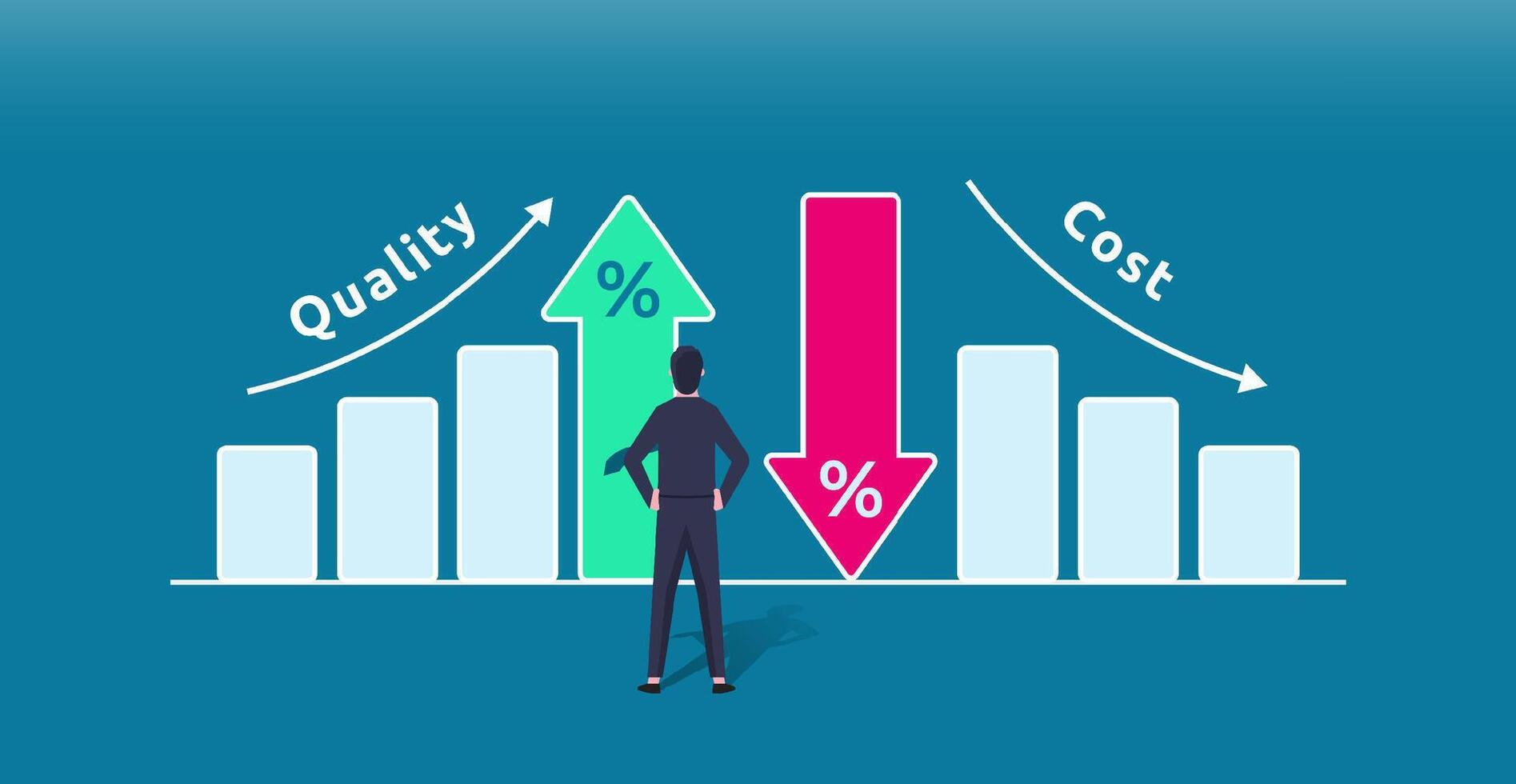
Traditional IT infrastructure requires significant upfront investment and ongoing maintenance costs. Cloud computing eliminates these expenses by offering a pay-as-you-go model.
Businesses can allocate resources more efficiently, reduce waste, and focus financial investments on growth-oriented initiatives rather than infrastructure management.
Core Benefits of Cloud Adoption
Scalability
Easily increase or decrease resources based on business demand without infrastructure limitations.
Cost Control
Reduce capital expenditure and manage operational costs through flexible pricing models.
Accessibility
Access systems and data from anywhere, enabling remote work and global collaboration.
Security and Data Protection in the Cloud
Cloud providers implement advanced security measures, including encryption, monitoring, and access control. These systems often exceed the capabilities of traditional in-house infrastructure.
Businesses must still implement proper configurations, access policies, and monitoring practices to ensure complete protection of sensitive data.

Leave a Reply