

Remote Work Infrastructure Setup for Modern Businesses
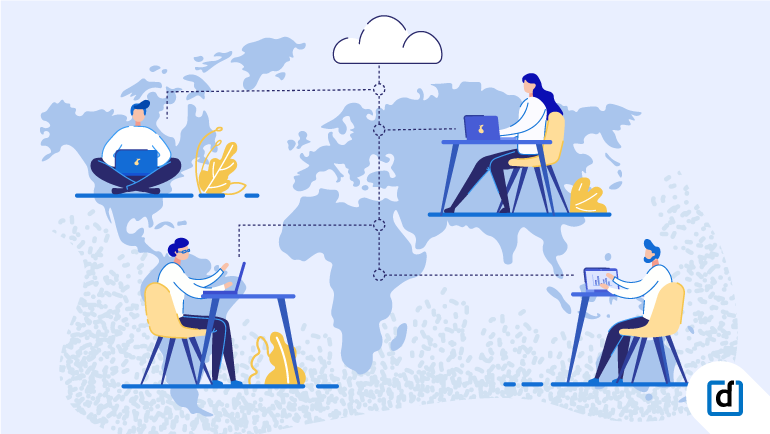
Remote work has evolved from a temporary solution into a permanent operational model for many businesses around the world. Organizations are increasingly adopting flexible work environments to improve employee productivity, reduce operational costs, and access global talent. However, successful remote work depends heavily on a well-structured IT infrastructure that ensures secure access, seamless communication, and consistent performance across distributed teams. Building a reliable remote work infrastructure requires strategic planning, the right technology stack, and continuous optimization to maintain efficiency and security.
Understanding Remote Work Infrastructure Requirements
A strong remote work infrastructure begins with identifying the technical and operational needs of your business. This includes understanding how employees access systems, collaborate with teams, and manage daily tasks outside a traditional office environment.
Organizations must ensure that employees have access to essential tools such as secure communication platforms, project management systems, file sharing solutions, and cloud-based applications. These tools must be integrated into a unified environment that supports smooth workflows and real-time collaboration.
In addition to software, businesses must also consider hardware requirements, internet connectivity, and security protocols to ensure that remote operations remain stable and efficient at all times.
Secure Remote Access and VPN Implementation
Security is a critical aspect of remote work infrastructure. Employees accessing company systems from different locations can introduce vulnerabilities if proper security measures are not in place.
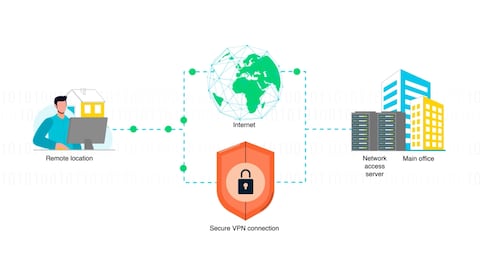
Virtual Private Networks (VPNs) provide secure access by encrypting data and protecting communication between remote users and company servers. This ensures that sensitive information remains protected even when accessed from public or unsecured networks.
In addition to VPNs, businesses should implement multi-factor authentication, endpoint security, and strict access controls to reduce the risk of unauthorized access and data breaches.
Cloud-Based Collaboration and Communication Tools
Cloud technology plays a central role in enabling remote work. It allows teams to access files, applications, and systems from anywhere without relying on physical office infrastructure.
Collaboration tools such as shared workspaces, video conferencing platforms, and document management systems ensure that teams can communicate effectively and work together in real time. These tools eliminate geographical barriers and improve overall productivity.
A well-integrated cloud environment ensures that all team members stay connected, informed, and aligned with business objectives regardless of their location.
Device Management and Endpoint Security
Remote work introduces a wide range of devices into the business environment, including personal laptops, mobile phones, and tablets. Managing these devices effectively is essential for maintaining security and performance.
Endpoint security solutions help monitor and protect devices from threats such as malware, unauthorized access, and data leaks. Businesses should implement policies for device usage, software updates, and security compliance.
Centralized device management systems allow IT teams to track device activity, enforce security measures, and ensure that all endpoints meet organizational standards.

Key Remote Work Infrastructure Components
Secure Access Systems
Implement VPNs and authentication protocols to protect remote connections.
Cloud Collaboration Tools
Enable real-time communication and teamwork across distributed teams.
Device Management
Monitor and secure all devices used for remote work operations.
Maintaining Productivity and Monitoring Performance
Ensuring productivity in a remote environment requires clear communication, structured workflows, and performance monitoring systems. Businesses should establish clear expectations and provide employees with the tools needed to manage their tasks effectively.
Performance tracking tools can help monitor progress, identify bottlenecks, and ensure that projects are completed on time. Regular check-ins and feedback sessions also play a key role in maintaining team alignment and motivation.
By combining technology with effective management practices, organizations can create a productive remote work environment that supports long-term business growth.
Scalability and Future Expansion of Remote Infrastructure
As businesses grow, their remote work infrastructure must evolve to accommodate new employees, expanded operations, and changing technological requirements.
Scalable solutions ensure that systems can handle increased workloads without compromising performance. Cloud-based services, modular tools, and flexible architectures make it easier to expand operations without significant disruptions.
Planning for future growth ensures that the infrastructure remains efficient, secure, and capable of supporting long-term business objectives in an increasingly digital world.
Leave a Reply